The March 2026 international break has arrived at a critical juncture for club football. As the final “tune-up” window before the 2026 World Cup this June, the stakes for national team managers are sky-high. However, for club managers like Mikel Arteta, Pep Guardiola, and Carlo Ancelotti, this period is less about tactical refinement and more about “survival math.”
With domestic league titles, Champions League quarterfinals, and cup runs hanging in the balance, the return of players from international duty will dictate the success of the 2025/26 season.
The Arsenal “Withdrawal” Strategy: Tactical or Medical?
The most significant news of the week comes from North London. Arsenal has seen a staggering six first-team stars withdraw from international duty. While “international break fever” the sudden appearance of minor knocks is common, the names on the list suggest a genuine concern for the Gunners’ upcoming FA Cup quarterfinal against Southampton on April 4.
The Key Absentees
-
Martin Ødegaard (Norway): The captain remained in London to continue his recovery from a lingering knee issue. Norway boss Ståle Solbakken has expressed hope that Ødegaard will be fit for the Southampton clash, but his absence from the national team is a clear indication that he is not at 100%.
-
Gabriel & William Saliba (Brazil/France): Both center-backs withdrew citing knee and ankle pain, respectively. France’s medical staff confirmed that Saliba requires a 10-day rest period, which aligns perfectly with a return for the club’s next fixture.
-
Eberechi Eze (England): Perhaps the most worrying for Arteta, Eze is reportedly facing up to six weeks out with a calf injury, which could see him miss the majority of the season’s climax.
Club Impact: Arsenal has a statistically elite record following international breaks, losing only once at home under Arteta since 2019. By keeping these key pillars at London Colney, the club is prioritizing the “domestic rhythm” required to chase a Premier League title and European glory.
Manchester City and the “Risk Management” Puzzle
Pep Guardiola faces a different challenge. While Arsenal has successfully “reclaimed” their players, Manchester City still has several key figures involved in high-stakes friendlies and qualifiers.
-
The Rodri Factor: Rodri remains the heartbeat of the Spain squad. His minutes are being closely monitored, but any soft-tissue injury during this window would be catastrophic for City’s Champions League aspirations.
-
Injury Concerns: John Stones and Manuel Akanji have a history of returning from March windows with minor groin and muscle issues. With City expected to play every three days throughout April, any 10-day layoff for a defender effectively removes them for three crucial matches.
Club Impact: City’s depth is their greatest strength, but the “post-international dip” is a documented phenomenon for Guardiola’s side. Expect a rotated lineup for their first game back as the medical team assesses the “travel fatigue” of South American stars like Ederson and Savinho.
See Other Sport News:
Read as the Mexican King makes a return to Boxing
The European Landscape: Real Madrid and Barcelona
In La Liga, the international break has brought fresh anxiety to the “El Clásico” rivals.
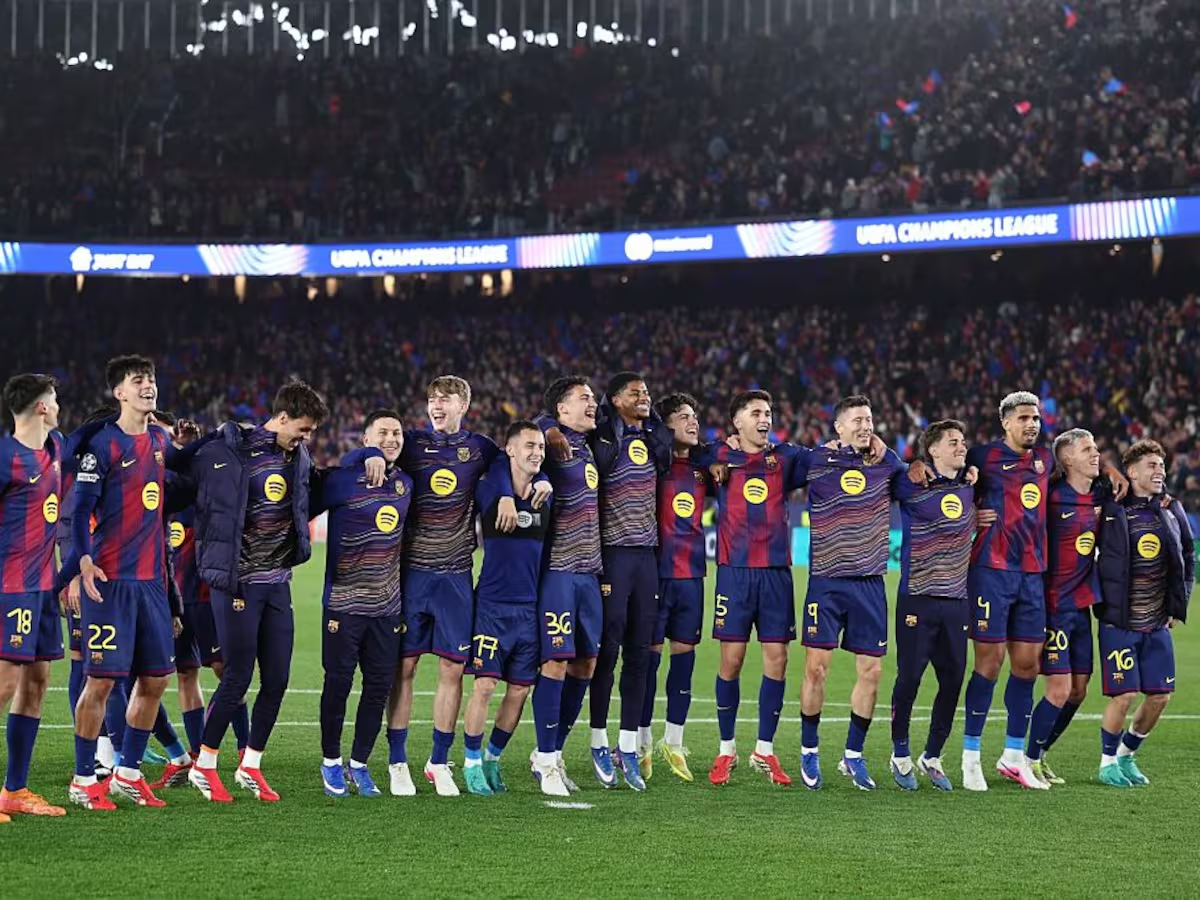
Barcelona’s Defensive Crisis
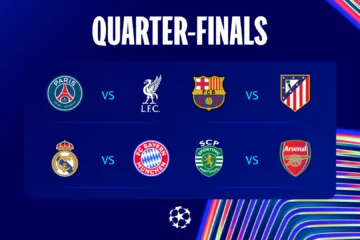
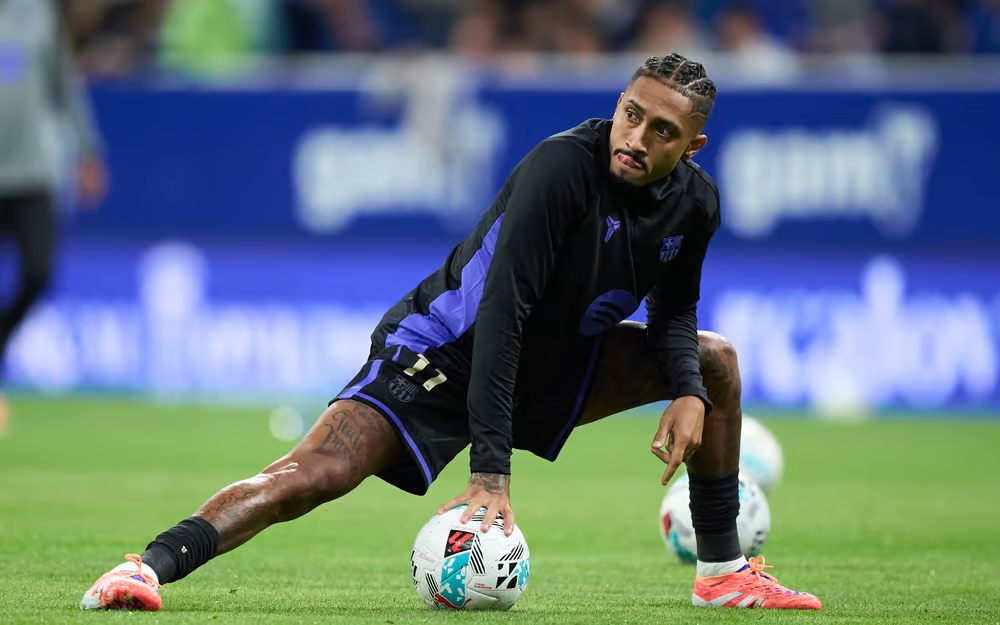
Barcelona is sweating on the fitness of Ronald Araújo and Jules Koundé. Both defenders reported muscle discomfort during their first training sessions with Uruguay and France. With a Champions League tie against PSG looming on April 10, Xavi (or his successor) cannot afford a makeshift backline.
Real Madrid’s Clean Bill of Health?
Real Madrid has been more fortunate, though the focus remains on Kylian Mbappé. Mbappé is currently chasing Olivier Giroud’s all-time France scoring record (57 goals). While he is desperate for minutes, Madrid’s coaching staff will be watching through their fingers every time he is tackled.
The “Travel Multiplier” and Performance Planning
One of the hidden factors in international break news is the Travel Multiplier. For players like Ecuador’s Piero Hincapié, the 2026 window is slightly kinder as Ecuador is playing their fixtures in Madrid and Eindhoven.
However, players traveling to Asia or South America face “time-zone whiplash.” Data from performance staff suggests that a player returning from a different continent requires at least 48 to 72 hours of circadian realignment before they can perform at a 10k-intensity level. Clubs that play on Saturday morning immediately following the break are at a 15% higher risk of suffering soft-tissue injuries.
Looking Ahead: The 2026/27 Calendar Reform
The disruption caused by this March window is one of the reasons FIFA is implementing a major calendar change starting next season.
-
Consolidated Windows: The separate September and October breaks will be combined into a single 16-day block.
-
Fewer “Starts and Stops”: This reform aims to protect the “domestic rhythm” that club managers cherish.
-
Reduced Travel: By combining windows, players will only have one long-haul travel cycle instead of two, theoretically reducing the injury rate.
Frequently Asked Questions (FAQ)
Which club is currently most affected by international break injuries? Arsenal currently has the highest number of high-profile withdrawals (six), including their captain Martin Ødegaard and their starting center-back pairing. However, most are expected to be back within 10 days, making it a “precautionary” crisis rather than a season-ending one.
How does the March break affect the 2026 World Cup? This is the final window for managers to finalize their squads. Players who are sidelined now, like Eberechi Eze, face a race against time to prove their fitness before the June 11 kickoff.
Why do clubs prefer players to stay during the international break? Beyond injury risk, it allows for “tactical periodization.” Coaches can work on specific game models, integrate academy players, and ensure that the “load management” of senior stars is controlled by the club’s own medical staff rather than a national team’s.
What is the “FIFA Virus”? This is a colloquial term used to describe the wave of injuries that typically strike top clubs during international windows. It specifically refers to the frustration club managers feel when a player is injured in a “dead-rubber” friendly or a match with little competitive value.
When does club football return? Major leagues resume on the weekend of April 3–5, 2026. For English fans, the FA Cup quarterfinals provide the headline act, while La Liga and the Bundesliga enter their final eight-match “sprint.”
0 Comments